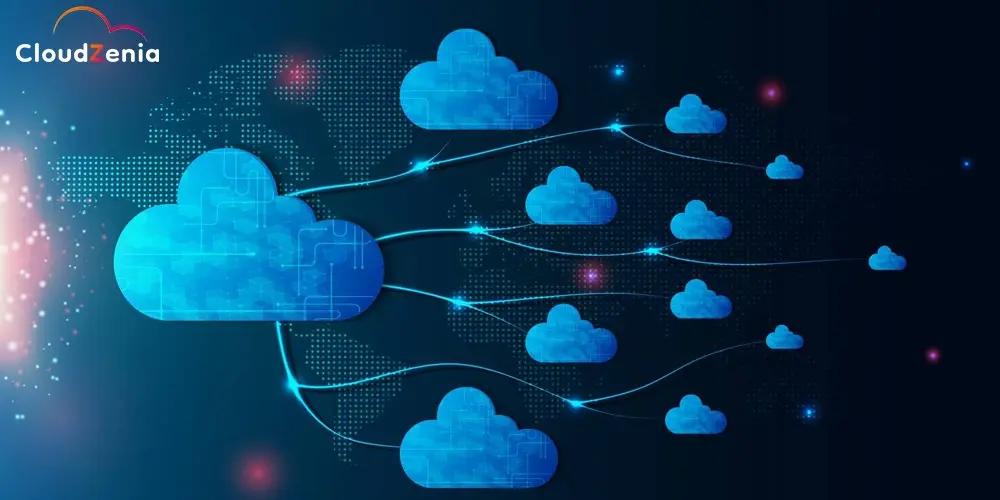

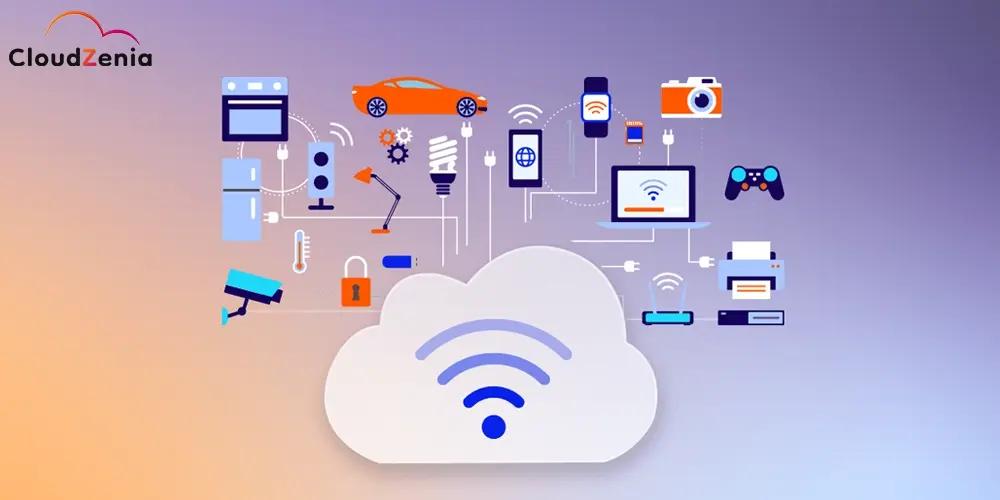
Cloud Computing and the Internet of Things (IoT) are two technologies that are rapidly transforming the digital world. Together, they form the Cloud of Things (CoT) ; a connected ecosystem where IoT devices collect data and cloud platforms process, store, and analyse it in real time.
As businesses continue investing in digital transformation, the convergence of cloud and IoT is becoming essential for improving efficiency, automation, scalability, and decision-making. Studies show that 51% of enterprise IoT adopters increased their IoT budgets in 2024, highlighting the growing importance of IoT cloud solutions across industries.
From smart agriculture and connected retail to predictive maintenance and industrial automation, cloud and IoT integration is reshaping how organisations operate.
Key Takeaways
- Cloud and IoT together create the Cloud of Things (CoT)
- IoT devices generate large amounts of real-time data
- Cloud computing helps store, process, and analyse this data efficiently
- Key benefits include scalability, cost optimisation, real-time analytics, and remote accessibility
- Industries like agriculture, manufacturing, and retail are already leveraging IoT cloud integration
- Security, privacy, and connectivity remain major challenges
What is Cloud and IoT Convergence?
Cloud and IoT convergence refers to the integration of IoT devices with cloud computing infrastructure. IoT devices and sensors continuously collect data from physical environments, while cloud platforms provide the computing power and storage needed to process that information in real time.
This integration helps businesses:
- Monitor systems remotely
- Automate operations
- Improve decision-making
- Optimise resources
- Scale infrastructure easily
The combination of cloud computing and IoT creates a highly connected and intelligent ecosystem capable of supporting modern digital operations.
Why Cloud Computing is Essential for IoT
The number of IoT devices worldwide is growing rapidly, with estimates suggesting there could be nearly 64 billion connected devices by 2025.
These devices generate massive amounts of data every second. Without cloud computing, managing and analysing this information would be extremely difficult and expensive.
Cloud computing acts as the backbone of IoT by offering:
- Scalable storage
- Real-time data processing
- Advanced analytics
- Remote accessibility
- Centralised management
This allows organisations to manage IoT deployments more efficiently without investing heavily in physical infrastructure.
Key Benefits of Cloud and IoT Integration
Real-Time Analytics and Smarter Decision-Making
One of the biggest advantages of cloud and IoT integration is real-time data analysis. Cloud platforms can instantly process IoT-generated data, helping businesses make faster and more informed decisions. This is especially useful in industries where real-time monitoring can prevent operational failures and improve efficiency.
Also read : https://cloudzenia.com/blog/big-data-goes-cloud-unlocking-next-level-data-science-potential/
Scalability and Cost Optimisation
Cloud-enabled IoT platforms allow businesses to scale resources based on demand. Instead of investing in expensive on-premise infrastructure, organisations can use cloud services on a pay-as-you-go basis. This reduces operational costs while providing the flexibility needed for growing IoT deployments.
Remote Monitoring and Accessibility
Cloud-based IoT systems make data accessible from anywhere with an internet connection. This enables remote monitoring, faster troubleshooting, and improved operational visibility. Businesses can manage IoT devices and systems in real time without being physically present on-site.
Need help with your cloud infrastructure?
Our experts at CloudZenia are ready to help you build, scale, and secure your setup.
Book a Free ConsultationReal-World Applications of Cloud and IoT
Smart Agriculture
Agriculture is becoming increasingly data-driven with the help of IoT sensors and cloud computing. Smart sensors can monitor soil moisture, temperature, weather conditions, and crop health in real time, helping farmers improve irrigation efficiency, increase crop productivity, and reduce resource wastage.
Predictive Maintenance in Manufacturing
Manufacturers use IoT sensors connected to cloud platforms to monitor machinery performance continuously. This enables predictive maintenance, where potential equipment issues can be identified before failures occur. As a result, businesses can reduce downtime, improve productivity, and extend equipment lifespan.
Connected Retail Experiences
Retail businesses are using IoT devices and cloud analytics to create smarter and more personalised customer experiences. Connected sensors and cloud-based systems help retailers track inventory in real time, automate operations, reduce manual effort, and improve overall shopping convenience and efficiency.
Also read : https://cloudzenia.com/case-studies/localstreet-marketplace-platform
Challenges in Cloud and IoT Convergence
While the benefits are significant, organisations must also address several challenges.
Security and Privacy Concerns
IoT devices continuously exchange sensitive data, making cybersecurity a major challenge in cloud and IoT environments. Businesses must implement strong security measures such as data encryption, device authentication, and secure access controls to protect against cyberattacks and data breaches. Compliance with regulations like GDPR and HIPAA is also essential for maintaining data privacy.
Also read : https://cloudzenia.com/case-studies/nurse-plexus-aws-beanstalk-to-ecs-migration-hipaa
Connectivity and Latency Issues
Cloud and IoT systems depend heavily on stable internet connectivity for smooth communication between devices and cloud platforms. Poor network performance or high latency can disrupt operations, especially in applications like autonomous vehicles and industrial automation. A well-designed IoT architecture helps improve reliability and reduce communication delays.
The Future of Cloud and IoT
The future of cloud computing and IoT convergence looks highly promising. As technologies like AI, edge computing , and automation continue evolving, businesses will gain even more advanced capabilities for managing connected ecosystems.
The Cloud of Things will continue driving smarter operations, better customer experiences, and improved business efficiency across industries.
Organisations that embrace cloud and IoT integration early will be better positioned to innovate, scale, and compete in an increasingly connected world.
Closing Thoughts
Cloud and IoT convergence is transforming how businesses collect, process, and use data. By combining the scalability of cloud computing with the intelligence of IoT devices, organisations can unlock new levels of efficiency, automation, and innovation.
As adoption continues growing, businesses must also prioritise security, connectivity, and scalable infrastructure to fully leverage the benefits of IoT cloud integration.
Discover the future of technology with CloudZenia. Explore expert insights on cloud computing, IoT architecture, and digital transformation trends to stay ahead in the evolving tech landscape.
Frequently asked questions
Q. How does cloud computing improve IoT scalability?
Cloud computing enables organisations to consume IoT infrastructure in line with consumption. With cloud, organisations can add storage, compute and analytics capabilities without huge capital spend.
Q. Can IoT devices work without cloud computing?
IoT devices can function independently for basic tasks, but cloud computing is essential for large-scale data storage, advanced analytics, remote access, and centralised management across connected systems.
Q. How does edge computing support cloud and IoT integration?
Edge computing processes data closer to IoT devices instead of relying entirely on central cloud servers. This helps reduce latency, improve response times, and support real-time applications like industrial automation and autonomous systems.
Q. Is cloud and IoT integration cost-effective for businesses?
Yes, cloud-based IoT solutions help businesses reduce infrastructure costs through pay-as-you-go pricing models. They also improve operational efficiency by automating monitoring, maintenance, and data management processes.
Q. What role does AI play in cloud and IoT ecosystems?
Using AI, we can analyse IoT generated data to find patterns, automate decision making, forecast break downs in machinery, and enhance operational efficiency. It makes connected devices smarter and more intelligent by bringing together with the cloud and IoT.
Filed under