
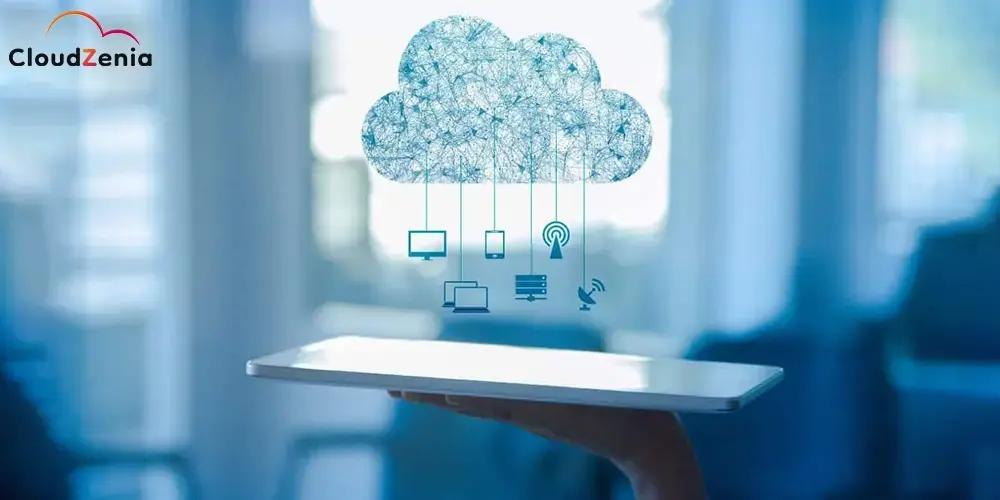
Why Cloud Computing Matters for SMEs
Cloud computing is no longer just a technical upgrade; it is a strategic shift in how businesses operate. With 44% of traditional SMEs and 66% of tech-driven small businesses already using cloud solutions and adoption among large enterprises reaching 74%; the direction is clear.
More importantly, over 60% of SME workloads and data are expected to move to public cloud platforms. This signals a deeper transformation: businesses are prioritising flexibility, speed, and innovation over owning physical infrastructure.
Key Takeaways
- Cloud computing is becoming essential for SMEs
- It reduces costs and improves financial flexibility
- It enables scalability and business agility
- It enhances security and compliance
- It provides access to AI, analytics, and advanced tools
- It helps SMEs compete with larger enterprises
The Growing Investment in Cloud
SMEs are not just experimenting with cloud, they are committing to it. In 2022, nearly half of SME technology spending went toward cloud-based solutions, marking a sharp increase from previous years. This investment has continued to rise, crossing 50% in 2023.
This shift reflects a change in mindset. Instead of treating cloud as an optional tool, businesses now see it as a foundation for growth and long-term competitiveness.
How Cloud Computing Is Transforming SMEs
Cost Efficiency Without Heavy Investment
One of the biggest advantages of cloud computing is financial flexibility. Businesses no longer need to invest heavily in servers, storage, or maintenance. Instead, they pay only for what they use.
This shift from capital expenditure to operational expenditure allows SMEs to allocate resources more strategically, focusing on innovation, marketing, and customer experience rather than infrastructure.
Also read : https://cloudzenia.com/blog/optimising-cloud-costs-strategies-for-maximising-efficiency-and-savings/
Scalability That Matches Business Needs
Cloud computing allows businesses to scale operations up or down instantly. This is especially valuable for SMEs dealing with fluctuating demand or seasonal spikes.
Instead of overinvesting in infrastructure “just in case,” companies can adapt in real time; maintaining efficiency while staying responsive to market changes.
Also read : https://cloudzenia.com/blog/essential-guide-to-building-cloud-infrastructure-for-startups-key-dos-and-donts/
Stronger Security and Compliance
There is a common misconception that cloud environments are less secure. In reality, leading providers offering cloud security services deliver advanced protection measures, including encryption, continuous monitoring, and regular updates.
Need help with your cloud infrastructure?
Our experts at CloudZenia are ready to help you build, scale, and secure your setup.
Book a Free ConsultationFor many SMEs, these protections exceed what they could implement on their own. Additionally, cloud platforms often support compliance with industry regulations, reducing the burden on internal teams.
Reliable Business Continuity
Unexpected disruptions can be costly for small businesses. Cloud computing reduces this risk by storing data in secure, distributed environments.
With built-in backup and recovery systems, SMEs can recover quickly from incidents, minimise downtime, and maintain customer trust especially when supported by effective cloud migration strategies.
Access to Advanced Technologies
Cloud computing opens the door to tools that were once limited to large enterprises. SMEs can now leverage artificial intelligence, machine learning, and data analytics without significant upfront investment.
This access enables smarter decision-making, improved efficiency, and more personalised customer experiences; key drivers of innovation in today’s competitive market. Businesses can further accelerate innovation by leveraging cloud computing services and modern data science solutions.

Understanding Cloud Service Models
To fully benefit from the cloud, SMEs need to choose the right service model.
1.Infrastructure as a Service (IaaS) provides virtualised computing resources such as servers and storage, offering flexibility without the need for physical hardware.
Also read : https://cloudzenia.com/blog/understanding-iaas-how-it-can-transform-your-business/
2. Platform as a Service (PaaS) allows businesses to develop and deploy applications without worrying about managing the underlying infrastructure.
3. Software as a Service (SaaS) delivers ready-to-use applications over the internet, eliminating installation and maintenance while offering convenience and scalability.
Each model serves a different purpose, and the right choice depends on the business’s technical needs and growth stage.
Driving Innovation Through Cloud Adoption
Cloud computing does more than improve efficiency; it enables innovation. Businesses can experiment with new ideas, launch products faster, and respond quickly to customer feedback.
This agility helps SMEs compete with larger organisations, turning speed and adaptability into key advantages. In a digital-first economy, the ability to innovate quickly often determines long-term success.
Challenges to Consider
While the benefits are significant, cloud adoption comes with its own challenges. Migrating data, managing multiple cloud environments, and ensuring compliance require careful planning.
However, these challenges can be managed effectively with the right strategy and support, making them far less significant than the long-term benefits.
Final Thoughts
Cloud computing is not just changing how SMEs operate; it is redefining their potential. By reducing costs, increasing flexibility, and enabling access to powerful technologies, the cloud allows small businesses to compete on a much larger stage.
For SMEs looking to grow, innovate, and stay competitive, adopting cloud computing is no longer optional; it is essential.
Filed under