

Why CI/CD in Cloud Environments is Essential
Imagine your team has just rolled out a critical software update to the cloud. However, within moments, users begin reporting unexpected issues. Delays can be game-changers today. That is the reason why CI/CD is not just an upgrade; it is a necessity.
CI/CD in cloud environments optimises software delivery by automating:
- Integration
- Testing
- Deployment
However, the true foundation of effective CI/CD pipelines lies in:
- Robust version control systems
- Reliable rollback strategies
Version control guarantees that every code modification is carefully tracked and organized. Conversely, rollback mechanisms serve as a safety net, allowing quick reversals without disrupting user experience.
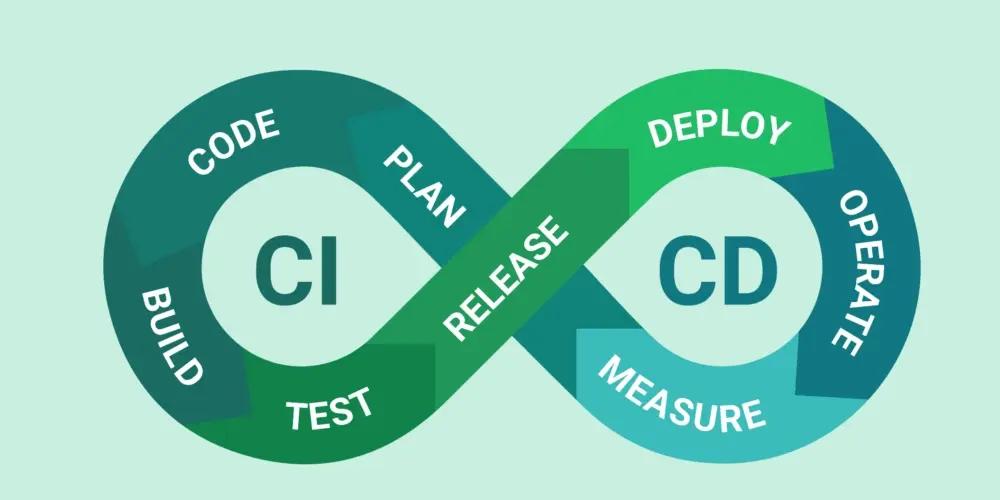
Understanding CI/CD in the Cloud
What is Continuous Integration (CI)?
Continuous Integration (CI) keeps development smooth by blending code updates into a shared repository. This triggers automated tests to catch issues early.
What is Continuous Deployment (CD)?
Continuous Deployment (CD) takes it further by automatically pushing validated changes live, enabling faster and more reliable releases.
Benefits of CI/CD in Cloud Computing
By integrating CI/CD into cloud environments, organisations can leverage:
- Scalability
- High availability
- Faster infrastructure provisioning
- Improved collaboration
For example, an AWS CI/CD pipeline uses managed services like AWS CodePipeline to automate workflows. Similarly, platforms like Azure DevOps and Google Cloud Build provide orchestration tools to maintain efficiency and uninterrupted workflows.
Adopting CI/CD in the cloud leads to:
- Reduced time-to-market
- Enhanced code quality
- Better team collaboration
However, as pipelines grow more complex, managing version control and rollback strategies becomes critical for maintaining stability.
Also read : https://cloudzenia.com/blog/ci-cd-explained-what-you-need-to-know/
Best Practices for Managing Version Control and Rollbacks
Guaranteeing smooth version control and rollbacks keeps your CI/CD pipeline stable and efficient. The right practices help minimise risks and ensure consistent performance across cloud environments.
1. Maintain a Clean and Efficient Version Control System
Clear branching strategies keep your codebase organised. Using structured approaches like Git Flow improves collaboration, while code reviews ensure every change is validated.
Example:
In a Git Flow setup, developers work on feature branches merged into a develop branch after review. This supports parallel development while maintaining stability in the main branch.
Additionally, descriptive commit messages improve clarity. Instead of “Updated file,” use:
“Refactored authentication module to improve performance and security.”
2. Automate Rollback Processes
Integrate version control with your CI/CD platform to enable seamless rollbacks. Dedicated rollback pipelines or built-in rollback mechanisms ensure fast recovery.
Example:
With Jenkins, you can configure a rollback pipeline that automatically reverts to the last stable build if deployment fails; minimising downtime.
Need help with your cloud infrastructure?
Our experts at CloudZenia are ready to help you build, scale, and secure your setup.
Book a Free ConsultationAlso read : https://cloudzenia.com/blog/installing-jenkins-on-aws-ec2/
3. Implement Thorough Testing and Monitoring
A strong CI/CD pipeline includes:
- Unit testing
- Integration testing
- End-to-end testing
Early bug detection reduces production risks.
For monitoring, tools like Datadog and Prometheus help track performance and detect anomalies in real time.
Example:
Use Selenium for end-to-end testing and JUnit for unit testing within your pipeline.
Also read : https://cloudzenia.com/blog/step-by-step-tutorial-monitoring-aws-resources-with-prometheus-and-grafana/
4. Keep Documentation Up-to-Date
Maintain clear documentation for:
- Branching strategies
- Commit guidelines
- Rollback procedures
This ensures consistency, simplifies onboarding, and improves collaboration.
Example:
Use centralized documentation tools like Confluence or GitBook to store and manage processes.
5. Regularly Review and Iterate
Version control and rollback strategies should evolve with your system.
Example:
Conduct quarterly retrospectives to evaluate:
- What worked well
- What needs improvement
If rollback processes are slow or inefficient, refine them or adopt better tools to enhance performance.
Common Challenges in CI/CD Pipelines
Even with the right tools, teams often face:
- Increasing pipeline complexity
- Inefficient rollback handling
- Lack of monitoring visibility
- Poor version control practices
Addressing these challenges requires continuous optimisation and the right toolset.
To understand how these CI/CD practices deliver real-world impact, explore our case study on DevOps and CI/CD benefits in real-world projects : https://cloudzenia.com/case-studies/benifits-of-devops-and-cloudservices-for-ludoempire
Winding Up
Effectively managing version control and implementing strong rollback strategies are essential for successful CI/CD pipelines in cloud environments.
By following these best practices, teams can:
- Improve collaboration
- Reduce deployment risks
- Ensure faster recovery from failures
As technology evolves, staying adaptable and informed is key to maintaining software reliability and performance.
For more insights on cloud computing, CI/CD tools, and DevOps best practices, explore the CloudZenia blog to empower your team with the expertise needed to succeed in the cloud ecosystem.
Filed under