
Balancing flexibility, scalability, and security with traditional on-premises infrastructure has become increasingly difficult for modern businesses. Legacy systems often struggle to support remote work, rapid growth, and evolving customer expectations.
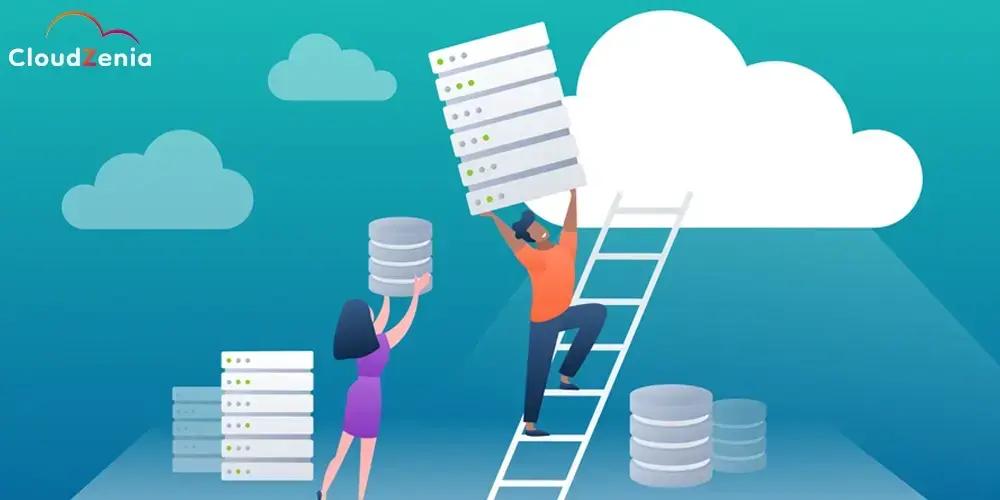
This is where cloud migration becomes a game-changer. By moving applications, workloads, and data to the cloud, organizations gain the agility and resilience needed to compete in a fast-changing digital landscape. According to Gartner, more than 95% of digital workloads are expected to run on cloud-native platforms, making cloud migration a key driver of digital transformation.
Why Cloud Migration Matters More Than Ever
Cloud migration is more than simply transferring data from one environment to another. It helps businesses modernize operations, improve performance, strengthen security, and unlock new growth opportunities.
Organizations that adopt cloud technologies can respond faster to market changes, reduce infrastructure costs, and create a more reliable foundation for future innovation.
Also read : https://cloudzenia.com/blog/your-roadmap-to-the-cloud-7-steps-to-a-flawless-migration/
Strengthening Data Security with Advanced Encryption
One of the biggest advantages of cloud migration is enhanced data security. Leading cloud providers use advanced encryption technologies to protect sensitive information both at rest and in transit.
Even if data is intercepted, encryption ensures it remains unreadable without the correct access credentials. This significantly reduces the risk of cyberattacks, unauthorized access, and data breaches while helping businesses maintain customer trust.
Simplifying Compliance and Regulatory Requirements
Industries such as healthcare, finance, and insurance face strict compliance obligations. Cloud platforms simplify compliance management by offering built-in security controls, automated monitoring, and audit-ready reporting tools.
Major cloud providers support industry standards such as HIPAA, PCI-DSS, and ISO 27001, making it easier for organizations to meet regulatory requirements while focusing on their core business operations.
Unlimited Scalability Without Infrastructure Constraints
Traditional infrastructure often requires expensive hardware investments to accommodate future growth. Cloud computing eliminates this challenge by providing on-demand resources that scale automatically based on business needs.
Whether handling seasonal traffic spikes, product launches, or business expansion, cloud environments ensure optimal performance without overprovisioning resources or increasing operational complexity.
Also read : https://cloudzenia.com/blog/future-proof-your-business-with-cloud-native-application-development/
Driving Business Agility and Innovation
Cloud migration enables organizations to launch products faster, improve customer experiences, and enter new markets more efficiently. Businesses can quickly deploy new applications and services without lengthy infrastructure setup processes.
This agility allows organizations to innovate continuously, respond to customer demands faster, and stay competitive in rapidly evolving industries.
Reliable Backup and Disaster Recovery
Unexpected outages, cyberattacks, or natural disasters can disrupt business operations and result in costly downtime. Cloud platforms provide automated backup and disaster recovery capabilities that protect critical business data.
By storing data across multiple geographic regions, cloud providers ensure rapid recovery and business continuity even when unexpected disruptions occur.
Also read : https://cloudzenia.com/blog/disaster-recovery-the-real-dr-of-unavoidable-outages/
Cost Optimization Through Pay-As-You-Go Resources
Cloud computing helps organizations reduce capital expenditures by eliminating the need for large upfront investments in servers and data centers. Instead, businesses pay only for the resources they consume.
Need help with your cloud infrastructure?
Our experts at CloudZenia are ready to help you build, scale, and secure your setup.
Book a Free ConsultationThis flexible pricing model improves cost efficiency while allowing organizations to scale infrastructure up or down as business requirements change.
Key Benefits of Cloud Migration
Businesses that successfully migrate to the cloud can achieve:
- Enhanced data security and compliance
- Improved scalability and flexibility
- Faster deployment of applications
- Reduced infrastructure and maintenance costs
- Better disaster recovery and business continuity
- Greater innovation and operational efficiency
These benefits make cloud migration one of the most valuable investments organizations can make in their digital transformation journey.
Conclusion
Cloud migration is no longer just a technology upgrade—it is a strategic business decision. By improving security, scalability, agility, and cost efficiency, cloud computing empowers organizations to thrive in an increasingly digital world.
As businesses continue their transformation journeys, cloud migration provides the foundation needed to support innovation, resilience, and long-term growth. Organizations that embrace the cloud today will be better positioned to adapt to tomorrow's opportunities and challenges.
Ready to begin your cloud journey? Explore CloudZenia's cloud migration expertise and discover how the right cloud strategy can accelerate your business growth and digital transformation.
Frequently asked Questions
Q. What is cloud migration?
Cloud migration is the process of moving applications, data, workloads, and IT resources from on-premises infrastructure or legacy systems to a cloud environment. It helps businesses improve scalability, security, and operational efficiency.
Q. What are the key benefits of cloud migration?
Cloud migration offers several advantages, including enhanced security, improved scalability, reduced infrastructure costs, faster deployment of applications, better disaster recovery, and increased business agility.
Q. How does cloud migration improve security?
Cloud providers use advanced security measures such as encryption, identity and access management, threat detection, and continuous monitoring to protect sensitive business data from cyber threats and unauthorized access.
Q. How long does a cloud migration project take?
The timeline depends on factors such as the size of the infrastructure, application complexity, data volume, and migration strategy. Small projects may take a few weeks, while large enterprise migrations can take several months.
Q. What challenges can businesses face during cloud migration?
Common challenges include application compatibility issues, data migration complexity, downtime risks, compliance requirements, and change management. A well-planned migration strategy helps minimize these challenges.
Filed under