

Picture a mid-sized eCommerce company. The company grappled to meet the rising expectations of its online shoppers. With a conventional IT setup, they encountered persistent bottlenecks and sluggish deployment times. This has led to frustration for both their team and their consumers. After learning about the advantages of DevOps as a Service , they decided to take the plunge. The transition was not merely a technological upgrade. Instead, it also involved a significant cultural shift. With the assistance of DevOps specialists, the company optimised their development and operational processes. This allowed for quicker releases and enhanced collaboration. Within a few months, they experienced a remarkable rise in their deployment frequency and a notable decrease in downtime. Customers were more satisfied, sales surged and the team felt re-energised. This positive change enhanced their efficiency and positioned them for innovation and growth in the cloud.
5 Ways DevOps Revolutionises Cloud Migration for Enterprises
- Automation DevOps, with its focus on automation, enables organisations to address the challenges of cloud migration and management effectively by utilising cutting-edge DevOps tools such as Ansible , Terraform and various cloud-oriented automation services. Tasks like configuration management, provisioning deployment, as well as, scaling become more efficient and expedited. By automating these processes, organisations can minimise manual labour and decrease the likelihood of human errors. This guarantees that environments are both consistent and reliable. This streamlined approach enhances operational efficiency and lets teams focus on innovation and strategic initiatives. Teams may concentrate on higher-value endeavours while monotonous and time-consuming tasks are automated, leading to enhanced productivity and quicker time-to-market. Furthermore, automation allows organisations to duplicate and scale their cloud infrastructure as demand shifts rapidly. This optimises resource utilisation and elevates overall performance. This capability streamlines operations and empowers teams to respond swiftly to changing market conditions. This ensures that they can meet customer needs effectively while maintaining a competitive edge. By freeing up valuable time and resources, automation fosters an environment where innovation can thrive.
Need help with your cloud infrastructure?
Our experts at CloudZenia are ready to help you build, scale, and secure your setup.
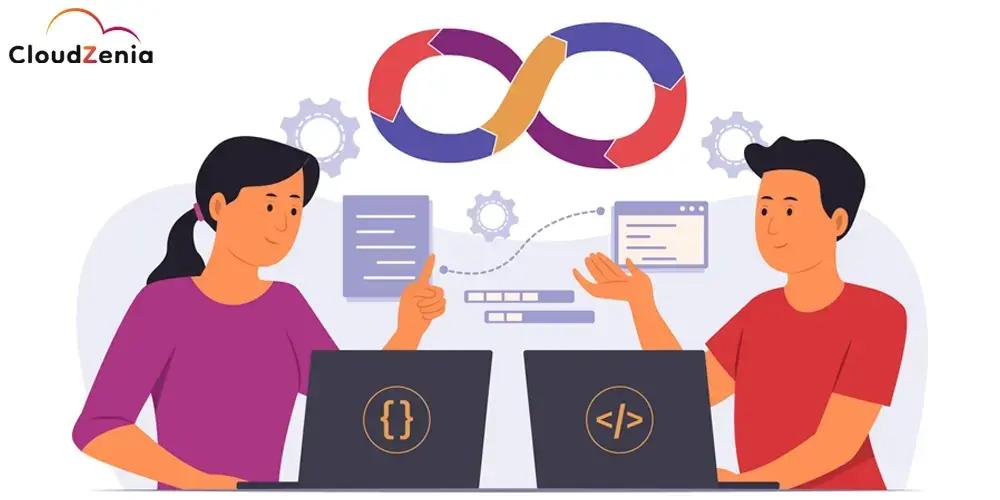
Book a Free Consultation- Communication and Collaboration DevOps, fundamentally, promotes communication, as well as, collaboration among diverse cloud migration, as well as, management teams. By dismantling the barriers that typically exist between the operations and development divisions, there is a smooth exchange of information between them. Collaboration tools such as project management applications and messaging platforms enhance effective communication and coordination. This enables teams to share insights, tackle obstacles, and align their efforts toward a shared objective. This integrated approach fosters a culture of teamwork and accelerates the overall process of cloud migration. This ensures that every stakeholder is working in harmony to achieve common goals. This very cross-functional collaboration allows for the early detection of potential challenges and encourages a proactive approach to resolving issues. DevOps services play a crucial role in ensuring that all stakeholders are engaged by nurturing a culture of teamwork and effective communication. This results in quicker decision-making, enhanced efficiency, and successful cloud migration, as well as, management initiatives.
- Flexibility and Scalability The flexibility and scalability put forward by cloud environments are further intensified by integrating robust DevOps practices. DevOps enables organisations to seamlessly automate the distribution and scaling of resources to meet changing demands. Through platforms such as GCP, Azure, or AWS DevOps, cloud-powered applications can dynamically enhance resource utilisation with capabilities like elasticity, autoscaling, and load balancing. This guarantees exceptional performance, effective resource management, and cost efficiency while significantly enhancing the entire user experience. By utilising DevOps, organisations can effectively tap into the flexibility and scalability of the cloud, adjusting to fluctuating workloads and user requirements with ease. The ability empowers businesses to react promptly to market changes. This also helps expand their operations and provide high-quality services while maximising the advantages of cloud technology.
- Ensuring Compliance and Security DevOps emphasises compliance, as well as, security throughout the cloud management and migration process. Enterprises can proactively tackle security weaknesses and guarantee secure configurations by incorporating security measures into the development and deployment pipelines. Vulnerability scanning, continuous security assessments, and automated compliance verifications become integral elements of the DevOps workflow. This lets teams detect and resolve issues early on. Utilising GCP, Azure, or AWS DevOps tools further enhances these practices, ensuring that security is embedded within the entire lifecycle of application development. Enterprises may align with industry regulations, standards, as well as, best practices by integrating compliance and security into the DevOps process. This approach reduces risks, ensures data protection, and fosters customer trust. The emphasis on compliance and safety within DevOps empowers businesses to effectively navigate the intricate landscape of cloud security. This creates a compliant and secure environment for their cloud-enabled applications. Utilising GCP, Azure, or AWS DevOps as a Service further enhances these efforts. These platforms provide robust tools and frameworks to support ongoing security and compliance initiatives.
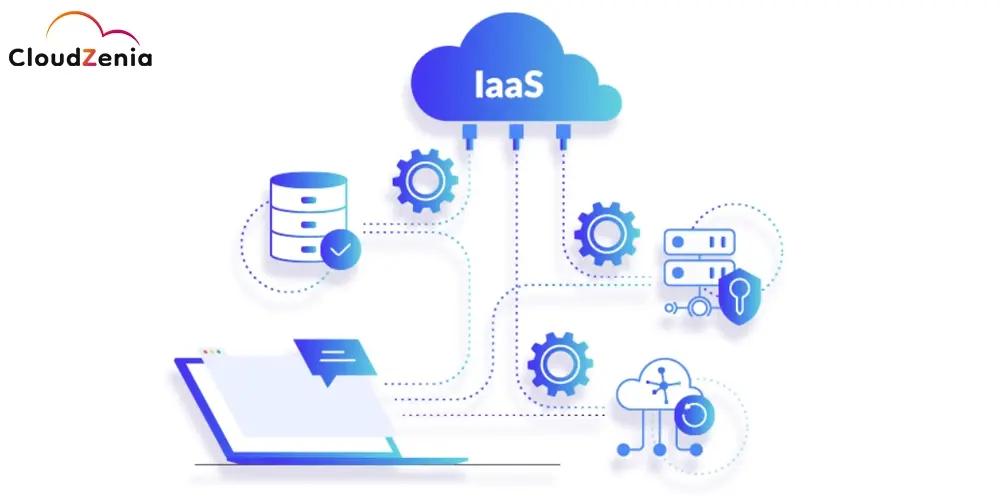
- Infrastructure as Code Infrastructure as Code is fundamental to DevOps practices. This enables organisations to manage their cloud infrastructure with precision. By embracing IaC principles, teams can define and provision their infrastructure through code using DevOps tools such as Azure Resource Manager , AWS CloudFormation or Terraform . This methodology provides numerous advantages, including version control, repeatability, and automation capabilities. The ability to automate infrastructure management enhances operational efficiency and allows for quicker responses to changes in requirements. This ultimately leads to improved service delivery. Infrastructure changes transform into a predictable and reproducible process, effectively eliminating the hassles of manual setup and configuration discrepancies. Version control plays a vital role in fostering accountability and collaboration. This lets teams oversee infrastructure modifications seamlessly. With IaaS at their fingertips, enterprises can swiftly create and manage cloud resources. This cuts down on manual tasks, promoting standardisation and ensuring uniform environments throughout the cloud migration, as well as, the management cycle. By harnessing the power of GCP, Azure or AWS and DevOps, teams can tap into robust tools and frameworks that enhance operational efficiency and enable rapid adaptation to evolving demands.
Final Words Adopting DevOps services can genuinely revolutionise your organisation’s cloud experience. This makes it more seamless and efficient. By promoting teamwork, automating workflows, and prioritising security, businesses can meet and surpass customer expectations. If you are keen to explore more about cloud migration, cloud computing, or related topics, do not miss out on the valuable resources available at CloudZenia . Allow us to assist you in confidently navigating the cloud ecosystem!
Filed under