
Boost your E-commerce with scalable, secure, and high-performance cloud solutions.

In today’s fast-paced world where people are facing a hectic schedule, online shopping is booming and is indeed the need of the hour. This is why E-commerce is one of the swiftly-growing industries in the digital world. Millions of people are ordering products simultaneously on online e-commerce platforms, without any waiting time and no commuting. By sitting in the comfort of your home, it is possible to place an order at any time during the day or even at night. However, merging groundbreaking cloud computing into the e-commerce sector has further redefined and enhanced it.
From empowering online storefronts and handling a wide range of product catalogues to ensuring the smooth functioning of logistics, cloud computing has revolutionised the consumer shopping process and also the way businesses operate.
Cloud computing’s deep-rooted adjustability assures the website is stable and performing well under tremendous load during holidays, sales events, or marketing campaigns, thus, preventing lost sales due to crashes.
By utilising CDNs and global networks of data centers, cloud providers reduce latency and expedite webpage load times. This ensures reliable site speed and uninterrupted performance for seamless shopping.
With cloud computing, companies aiming to target international marketplaces can deploy data, apps in cloud regions globally to enhance site performance by complying with regional data residency regulation measures.
Cloud platforms provide companies big data analytics, ML, AI, and serverless computing to develop new features, invent intelligent chatbots, personalise recommendations, and better comprehend customer behaviour.
CloudZenia supports you at every stage, delivering reliable, high-quality services at competitive prices.
| ASPECT | Traditional E-commerce Workflows | Cloud-based E-commerce Workflows |
|---|---|---|
Infrastructure | Dependent on in-house data centers, servers, and hardware invested by the company. | Cloud service providers like GCP, AWS, and Azure provide virtual storage, servers, and networking. |
Costs | Fixed operational costs. Does not depend on consumption/use. High investment for hardware. | Minimal initial investment. Spend only on whatever you use with pay-as-you-go billing. |
Deployment Time | Takes weeks or months to procure, set up, & configure new infrastructure & servers. | Requires only minutes or few hours to procure new databases, virtual servers, and services. Swift deployment. |
Performance | Restricted to physical server location. Gets affected during traffic surge. | High availability globally regardless of traffic spikes by incorporating global data center networks & CDNs. |
Backup & Disaster Recovery | Offsite backups and additional systems are time-consuming, tedious, and expensive to manage & set up. | Automated backups are quicker yet error-free. Automated built-in disaster recovery mechanisms & geo-redundancy across multi-regions. |
Evolution Practices | Very slow adoption process. Restricted access to the latest technologies. Lengthy deployment cycles. | No limitations on accessing the latest technologies. Swift prototyping and development cycles. |
Regardless of the types of e-commerce companies, cloud computing has successfully boosted the reliability, performance, adaptability, and global reach in e-commerce. Here are a few renowned examples belonging to this industry.

By incorporating cloud, this leading e-commerce giant built AWS to meet its internal requirements for reliable and adaptable infrastructure and is also using it majorly to enhance its wide range of retail operations.

This significant US-based retail company has strategically transitioned towards a hybrid multi-cloud architecture. They use public cloud for dynamic workloads and private cloud for enterprise systems, data-rich operations.

A highly accessible yet resilient e-commerce platform featuring a diversified customer base that uses AWS and other cloud infrastructure to allow millions of customers to build and manage their online stores globally.

This online marketplace has embraced cloud technology practices to enhance its infrastructure, the performance and flexibility of its platform, and make it reliable considering its auction’s nature and fixed-price listings.

By integrating GCP, Azure, multi-cloud, hybrid cloud strategy besides their own data centers, this multinational corporation supports their extensive online retail operations, data analytics, and supply chain requirements.

This global marketplace successfully migrated to GCP after experiencing tremendous sales growth, which in turn, improved adjustability, performance, and reduced costs and uses analytics to personalise customer experiences.
Thus, cloud lifts the burden from relying majorly on in-house infrastructure, facilitates e-commerce projects, and provides services easily.

By incorporating resource provisioning, spot & reserved instances, consistent monitoring, and shifting to an operational billing model, we help maximise your cloud investment by minimising unnecessary expenses.
CloudZenia implements IaC, CI/CD pipelines, and DevOps to facilitate e-commerce development and operational workflows to minimise manual errors and use automation to avoid repetitive tasks.
Our team safeguards critical customer data against cyber attacks using access controls, latest encryption, intrusion detection, alongside PCI-DSS regulatory compliance frameworks and disaster recovery.
By utilising localised content delivery and multiple cloud regions, e-commerce businesses can provide maximum performance for international customers to enhance swift market entry, accelerated global reach
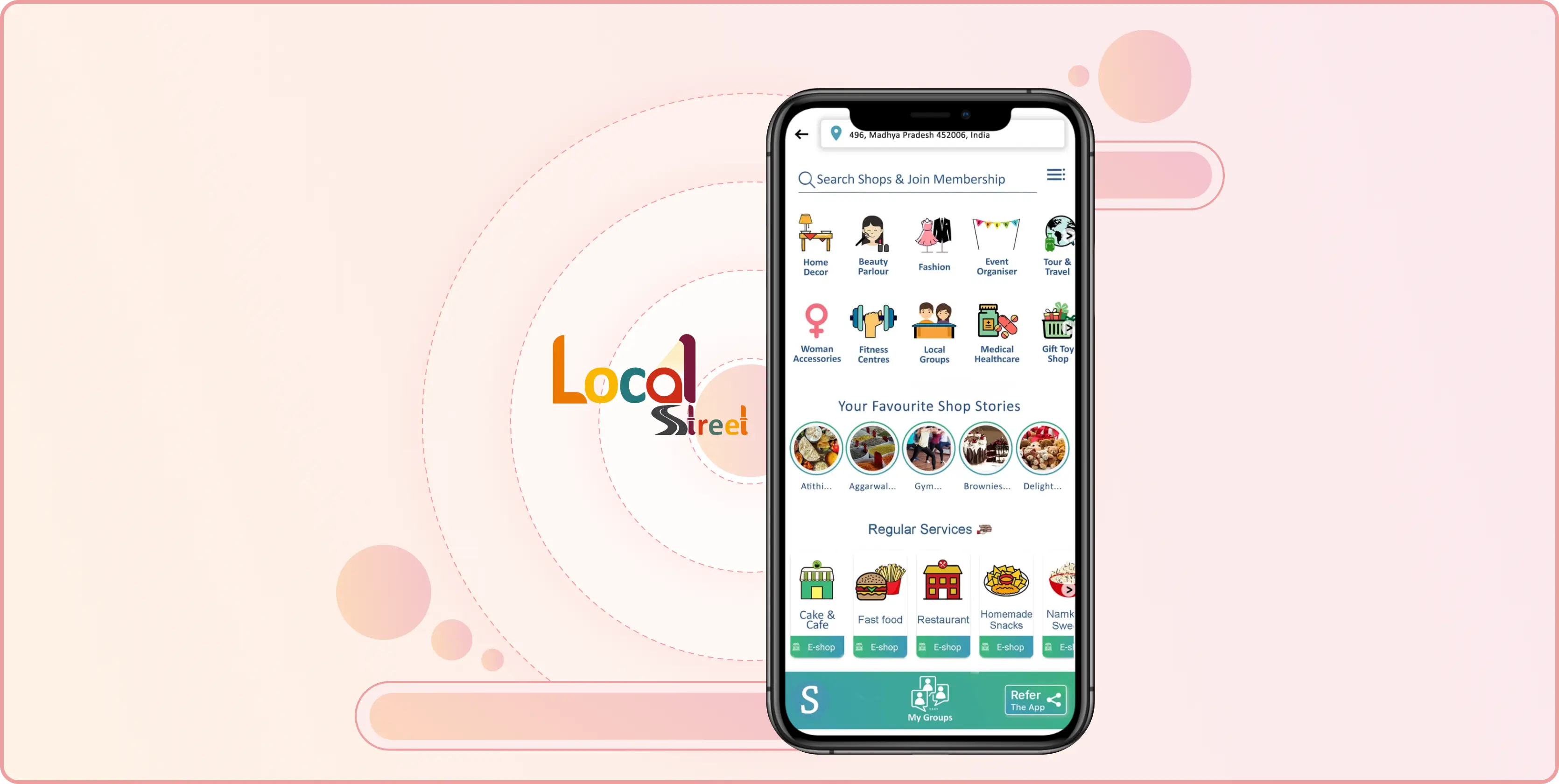
Local Street is a platform that facilitates communication between vendors, customers, and service providers. Their application provides users with access to exclusive offers and the best prices.LocalStreet approached us with the need to establish a cloud-based ecosystem to support their platform...
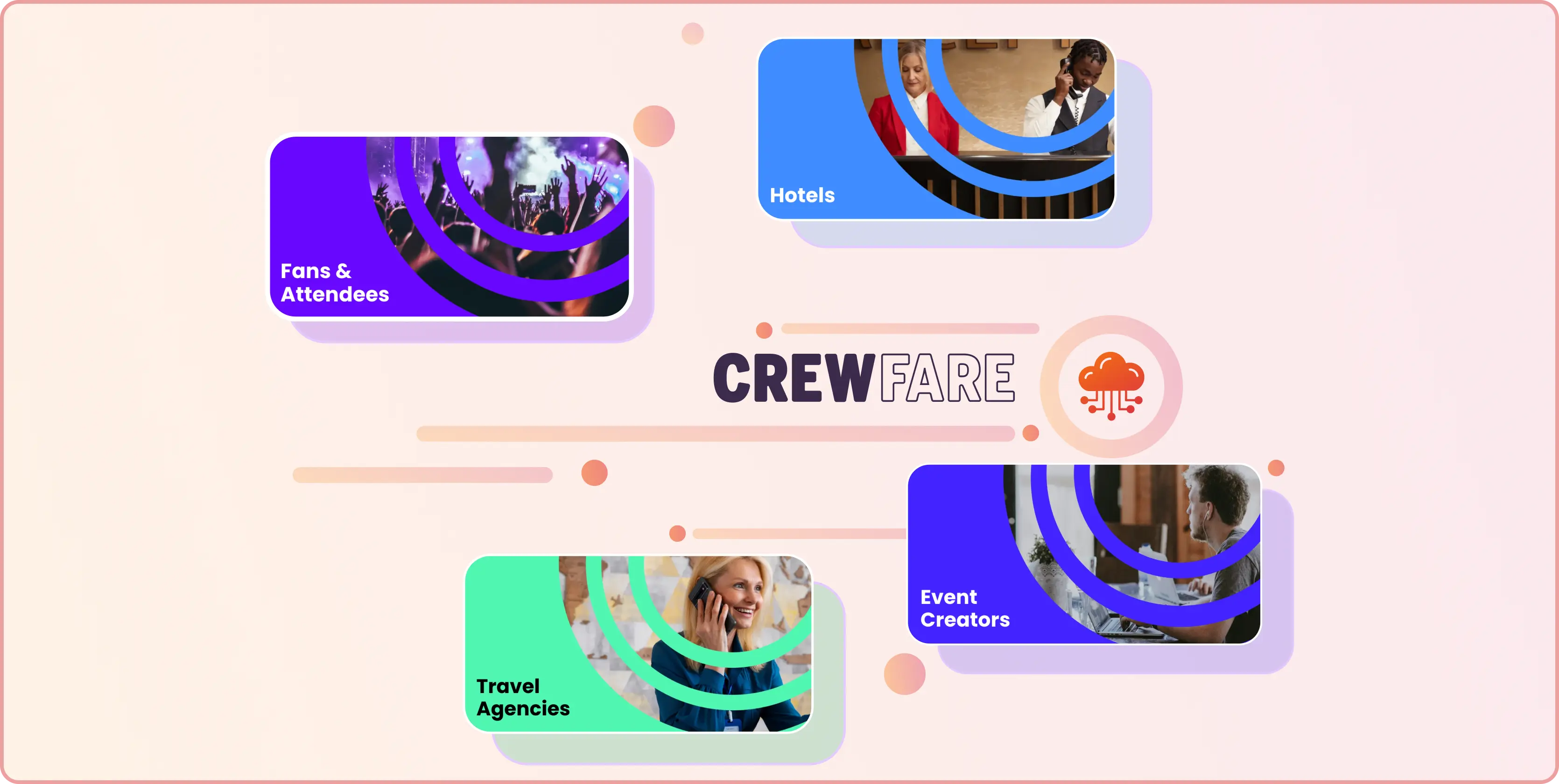
Crewfare is a travel management platform widely recognized for revolutionizing group travel logistics. By consolidating booking processes, flexible payment options, and additional service sales into a single, seamless platform, Crewfare enables users to manage complex travel needs efficiently....
Utilising web-based infrastructure and services from Azure, GCP, and AWS for hosting, managing, and operating online stores, data, and e-commerce operations.
Managing secure payments, extensive inventory, catalogues, hosting online storefronts, empowering global reach, improving supply chain logistics & more.
Cloud provides power-packed ML and AI services that analyse large customer data to optimise pricing, offer personalised products, & customise marketing campaigns.
Yes, cloud providers make a heavy investment in MFA, data encryption, intruder detection, industry-standard PCI DSS to secure transactions, data, and apps.
CloudZenia can help you wherever you are in your cloud journey. We deliver high quality services at very affordable prices.